Monday, 26 December 2011

Pepper Joins the Family

Last week I spotted a sign free rabbit and hutch. Well we'd been thinking of getting the kids a new pet. I stopped in and checked out the little fellow. His owners were moving and were unable to take him with them. He's 2 and has been spoilt, used to being handled and as friendly as anything.

I arranged to pick Pepper up on Friday. We went to the library and both kids read the books they picked up on how to look after rabbits. We picked Pepper up on Friday and the kids are over the moon about him.


Pepper

Cuddles and pats

Yum, runner beans

Exploring

Home. sweet, home

Finished exploring I'm tired

Just relaxing

Tuesday, 13 December 2011

My indigenous garden — familiar but not quite the same

Australia has a lot of very unique plants. But we still have a fair range of those that would seem familar to overseas visitors.

Native forget-me-nots
Some that I have in my garden that occur locally are native forget-me-nots. Believe me the seeds are a thousand times more annoying and sticky than the common garden variety. It is also as tough as anything in a dry garden.


Pelargonium australe
Another family we have a few of in Australia is Pelargoniums. This one is currently flowering in my garden. It's Pelargonium australe Austral stork's bill.

I also have the outrageously bright pink Magenta Stork's Bill Pelargonium rodneyanum but it's not out at present. It is a small rockery plant that survived the 10 year drought here without any added water.


Native jasmine


I've also got the tiny little scrambling local grassland jasmine. It's flowering right now and has a sweet delicate scent rather than the absolutely overpowering heady scent of some jasmines.


Common everlastings
Some of the other things flowering now are the common everlastings.


Clustered everlastings

The clustered everlastings which are taller and have smaller flowers.


Scaevola aemula
Other locals that are well worth having is the Scaevolas (fanflowers). I've both the Scaevola albida and the Scaevola aemula in the garden. The Sceavola aemula is my favourite but the both flower for months in my unwatered indigenous area of the garden. They are also the easiest thing to strike from cuttings as well. I'd recommend this as they need replacing semi-regularly as they are inclined to be a bit shortlived.

Vegetables can have pretty flowers too

I haven't blogged for a while as I'd picked up some paid temporary work and life was just too busy. I'm finished now so I can get back to all the things I was running out of time for. Including getting ready to have 16 over for Christmas Day.

Naughty chickens on the lawn.
My dear husband built my permanent escape proof chook run for me. Did you know leghorns can scale 6 foot fences even with their wings clipped.

 I finally got my summer garden going a month later than I usually would.


scarlet runner beans
Lots of the vegetables and fruit we grow has quite colourful flowers if we look closely. I put these scarlet runner bean in, just for the flowers it is often too warm for them to set beans here. So they are sharing a frame with purple king beans (yet to flower) which are predictably productive here.


Pepino flowers
The pepino flowers are attractive and I find the plants themselves as tough as old boots and productive in dry conditions. They don't however like frosts much.


Purple tomatillo flowers


Another one from the tomato family purple tomatillo. I haven't tried this one before so I be interested how it goes. The flowers are a really bright yellow.


Chinese celery in flower
These aren't as pretty but are often covered in beneficial insects like ladybirds. 

This is Chinese celery. It is much hardier the normal supermarket stem one requiring less water by far. But it is still very useful to produce that celery flavour in soups and other cooked dishes or to slice a little very finely in a salad. It has the added bonus it self sows in my garden.


Black passionfruit
A couple of fruiting plants flowering in the garden at the moment. 

Black passionfruit, this one is a seedling plant on its own roots. The grafted Nelly Kelly's rootstock is a pain as it suckers a fair bit here.


Pomegranate

And a pomegranate this bush is just starting to flower now. So tough, with such bright flowers that they should be grown as ornamentals alone.


Tree onion
Not a flower but I still find them fascinating. Tree onions, these little ones can be replanted next year and produce pickling size onions with good flavour and a bit of a bite.

Friday, 23 September 2011

My indigenous garden

Olearia sp Twiggy daisy bush
Just a few photos of what's out at the moment for Jo. This daisy bush is very pretty in flower and a fairly neat grey mound out of flower.


Hibertia serica 

The silky guinea flower is in full bloom at the moment. I love their bright sunny flowers. It is also extremely drought tolerant.


Indigofera australis - Native Indigo

I love this indigo it needs tip pruning as it is a bit straggly but it is forgiven every year when it flowers. Besides not much else tolerates dry shade and looks as pretty.

Tuesday, 20 September 2011

The productive garden

European plum - Coes Golden Drop
It's early spring here so lots of new growth and flowers coming out. Here is one of the European plums. I have two young plum trees last year I had one plum this year they were covered in blossom so I'm hoping for lots more. The rate my kids are eating and growing I need as much as possible.


Garlic
The garlic is growing much better this year. Last years very wet winter rotted out most of it. This year it looks like will be a good harvest.


Variegated sage
The variegated sage I planted out last year is doing extra well. The spot it's in is hot and dry in the summer but is shade all winter. So far from ideal growing conditions. I love this with pork or chicken. Later in the spring it's covered with pretty purple flowers as well.


kale
The kale has done well it's not a family favourite and a lot gets fed to the chickens but I like its looks in the vegetable garden.


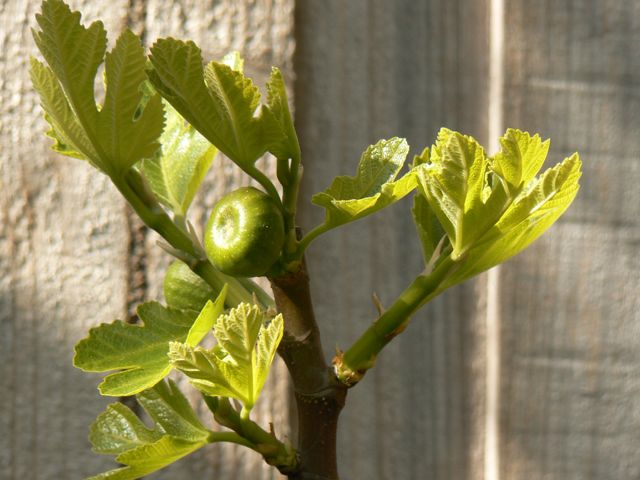
Baby figs
I've a small fig tree that I was given that just sat there for years in the drought but has finally taken off in the last couple of years. It's growing on a steep north facing slope that is baking hot and dry in the summer. The slope is a batter on the drive so it's growing in the subsoil and gets no supplementary water. Look at the baby figs. We are not sure what variety it is my Dad gave it to me and thinks it may be Brown Turkey.

New growth on the pomegranate
Who says that fruit trees have to be boring I love the orange new growth on our pomegranate. It's growing in the same conditions as the fig so it is as tough as old boots.

Wednesday, 31 August 2011

Climbers, Prickles and Parasites at Ocean Grove

Male Superb Blue wren
in hedge wattle Acacia paradoxa
I found all sorts of things on my walk in the reserve yesterday. Some of the Spring flowers are starting to come out. This little wren caught my eye the contrast between his bright blue feathers and the yellow wattle was so striking.

I'd love to take more shots of some of the birds here but my camera is not ideal for it unless they are still and relatively close.


Acacia paradoxa closeup
The Hedge wattle he is sitting in looks pretty with its glowing golden mass of flowers. But look closer and see the mass of prickles hidden in the foliage.


We've had some unseasonably warm weather for the time of the year lately. But I was very surprised to see this butterfly out so early in the Spring.


Twining Fringe Lily Thysanotus patersonii
There are a few different climbers flowering at the moment from the tiniest little Twining Fringe Lily away down in the grass.


Love creeper Comesperma volubile
This is my personal favourite Love Creeper it is almost leafless and is covered with a mass of tiny bright blue flowers.


Small leaved clematis Clematis microphylla


This Small Leaved Clematis is every were and covered with a mass of small white flowers.


Small leaved clematis Clematis microphylla
A close up of it's flowers. The true beauty of this clematis unlike the showy garden ones is not in the flowers. But rather later in the year when it turns into a cloud of fluffy seeds.


The new growth of the leaves on this mistletoe are a rather attractive rusty orange. It will be interesting to see the flowers later in the year some of the Australian mistletoes have very attractive flowers.


Echidna rush Chorizandra enodis 

The common name of this rush is Echindna Rush you can see where it gets its name when you look at its one sided flowers up close. They look like tiny little echidnas climbing the stems.


Early Nancy Wurnbea dioica
The tiny but appropriately named Early Nancys announcing Spring is on it's way.

Wednesday, 24 August 2011

A Batch of Patch.

I made a big batch of Patchouli soap as I have quite a few customers who love it and buy multiple bars of it. I thought I'd take a few shots of the soap as I made it. I forgot to take a shot of the patchouli oil but it is a thick tan syrupy oil that smells the whole house out when I have it open.

Patchouli essential oil is distilled form the patchouli plant which is a herbaceous plant from the tropics which grows a bit like mint. For more see here.

Oil and caustic just mixed
First I weigh out the oils including the patchouli into a large pot (8kg in this batch). I mix caustic soda with water very carefully and stir until clear. The caustic is added to the oils. This is then mixed with a stick blender until it starts to react and gets very thick like a thick custard. Saponification is an exothermic reaction so once it starts it produces enough heat to keep the reaction going until finished.

Freshly poured logs of soap

At this stage I spilt a little of the batch into another bowl and add some cocoa for colour. These are poured into lined wooden moulds and the tops textured with a spoon.


Insulated soap in the moulds

These moulds are then covered to keep in the heat and left to react for about 6 hours. My soap I let gel which basically means it gets hot enough to melt the soap. After the reaction finishes the soap gradually cools down on sets hard.


Cooling soap
Then I take out the logs of soap and allow them to cool down further. The lining material is then removed and the soap cut.


Cutting soap


I use a cutter I imported from the USA to cut my soap AKA the "tank". It basically uses strained stainless steel guitar strings to slice through the soap rather like a cheese slicer. The soap is then lifted out of the cutter.


Soap produced from 8kg of oils
The soap is then carried downstairs to shelves where it cured for a number of weeks. This cure allows extra water to evaporate out and produces a harder bar of soap that will last longer in use.

And yes I do have genuine bright yellow laminex from the 70's on my benches.